UV Protection for Eyes: 5 Essential Tips from Ophthalmologists
Proper UV protection for eyes is crucial to prevent long-term sun damage. The American Academy of Ophthalmology warns that harmful UV rays can burn the cornea and increase risks for cataracts and eye cancers. Here are expert-backed tips to safeguard your vision.
Why Your Eyes Need UV Protection
Sun exposure poses serious risks. Without adequate eye protection from UV rays, you risk short-term issues like photokeratitis (a sunburned cornea) and long-term damage, including cataracts and growths on the eye. UV rays penetrate clouds, making daily protection essential.
Five Tips from Ophthalmologists That Will Protect Your Eyes from Sun Damage
American Academy of Ophthalmology highlights ways to protect against harmful UV exposure
SAN FRANCISCO – The days are longer, the sun is hotter, the beach beckons and out comes the sunscreen. But summer revelers looking forward to sizzling hot fun in the sun shouldn’t overlook their eyes when it comes to protecting themselves from damaging ultraviolet rays, warns the American Academy of Ophthalmology.
In support of UV Safety Month in July, the Academy is sharing information on how to keep eyes safe from sun damage. Excess sun exposure can put people at risk of serious short-term and long-term eye problems. If eyes are exposed to strong sunlight for too long without protection, UV rays can burn the cornea and cause temporary blindness in a matter of hours. Long-term sun exposure has also been linked to an increased risk of cataracts, cancer and growths on or near the eye.

Here are five things people can do to cut their risk of eye damage from the sun:
Tip 1: Choose the Right Sunglasses
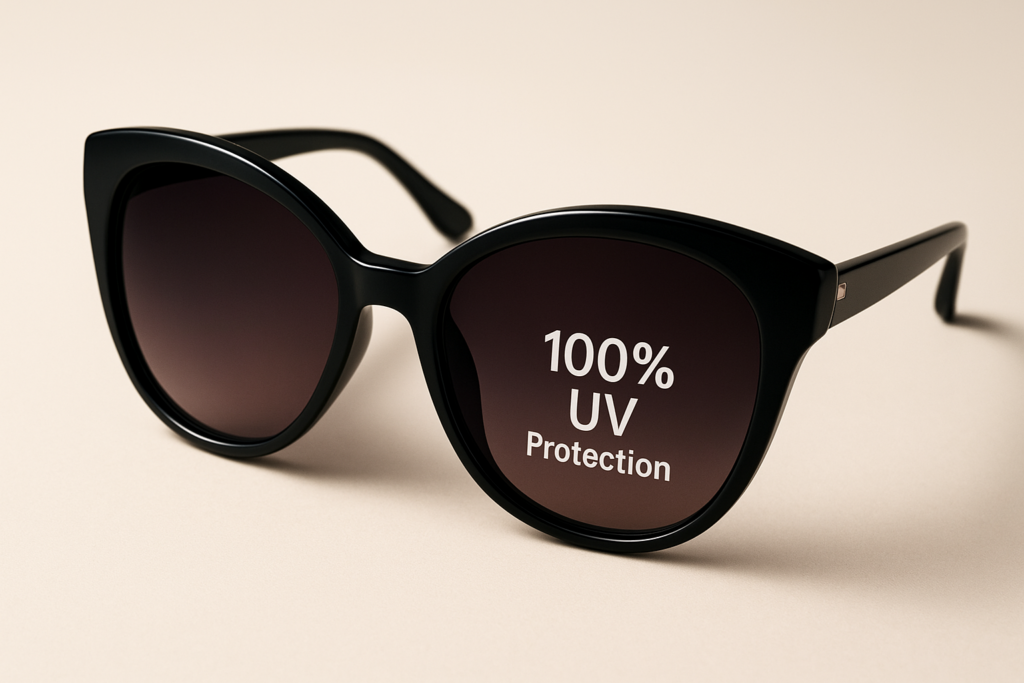
Always look for sunglasses labeled “UV400” or “100% UV protection.” Price doesn’t guarantee safety—affordable options with this label work well. Remember, dark lenses don’t always block UV rays. Wear sunglasses daily, even on overcast days.
Tip 2: Never Look Directly at the Sun
Directly gazing at the sun can cause solar retinopathy, burning irreversible holes in your retina. This damage harms your central vision permanently. View solar eclipses only with special-purpose filters.
Tip 3: Check Your Medications
Many common medications increase photosensitivity, making your eyes more vulnerable. These include certain antibiotics, birth control pills, and psoriasis treatments. Check prescription labels and take extra precautions if needed.
Tip 4: Wear a Hat & Use Sunscreen
A broad-brimmed hat can block up to 50% of UV rays reaching your eyes. Combine it with UV-blocking sunglasses and broad-spectrum sunscreen on exposed skin for complete protection.
Tip 5: Protect Your Eyes While Driving
Car windows block most UV rays from the front (96%), but side windows only block about 71%. Always wear sunglasses with UV protection when driving to shield your eyes from side exposure.
Key Details:
- Wear the right sunglasses – Look for those labeled “UV400” or “100 percent UV protection” when buying sunglasses. Less costly sunglasses with this label can be just as effective as the expensive kind. Darkness or color doesn’t indicate strength of UV protection. UV rays can go through clouds, so wear sunglasses even on overcast days. And while contacts may offer some benefit, they cannot protect the entire eye area from burning rays.
- Don’t stare at the sun – Sun worshippers take note: directly gazing at the sun can burn holes in the retina, the light-sensitive layer of cells in the back of the eye needed for central vision. This condition is called solar retinopathy. While rare, the damage is irreversible.
- Check your medication labels – One in three adults uses medication that could make the eyes more vulnerable to UV ray damage, according to a sun safety survey by the Academy. These include certain antibiotics, birth control and estrogen pills, and psoriasis treatments containing psoralen. Check the labels on your prescriptions to see if they cause photosensitivity. If so, make sure to protect your skin and eyes or avoid sun exposure when possible.
- Put a lid on it – In addition to shades, consider wearing a hat with broad brim. They have been shown to significantly cut exposure to harmful rays. Don’t forget the sunscreen!
- Don’t drive without UV eye protection – Don’t assume that car windows are protecting you from UV light. A recent study found that side windows blocked only 71 percent of rays, compared to 96 percent in the windshield.[i] Only 14 percent of side windows provided a high enough level of protection, the researchers found. So when you buckle up, make sure you are wearing glasses or sunglasses with the right UV protection.
“Damage from sun exposure can happen quickly, but it also adds up over time, making it a risk factor for several vision-impairing eye conditions,” said Jeff Pettey, M.D., a clinical spokesperson for the American Academy of Ophthalmology. “That’s why it’s important to get in the habit of wearing UV-blocking sunglasses, hats and sunscreen early on to cut your risk.”
Professional Eye Care for Long-Term Vision Health
Regular eye exams are vital to detect sun-related damage early. Our NYC ophthalmologists provide comprehensive screenings and can recommend the best protective eyewear for your lifestyle.
Need expert advice on UV eye protection? We’re here to help.
📅 Schedule a Comprehensive Eye Exam
Explore more ways to protect your vision:
Source & Further Reading
This guidance is based on recommendations from the American Academy of Ophthalmology. For the full article https://www.aao.org/newsroom/news-releases/detail/five-tips-to-protect-your-eyes-from-sun-damage